The quick answer
To write a useful dental practice standard operating procedure, or SOP, define the outcome, name the person responsible for keeping the process on track, and describe the steps in plain language. Add one measure that shows whether the process is working. Test it with the people doing the work before treating the document as finished.
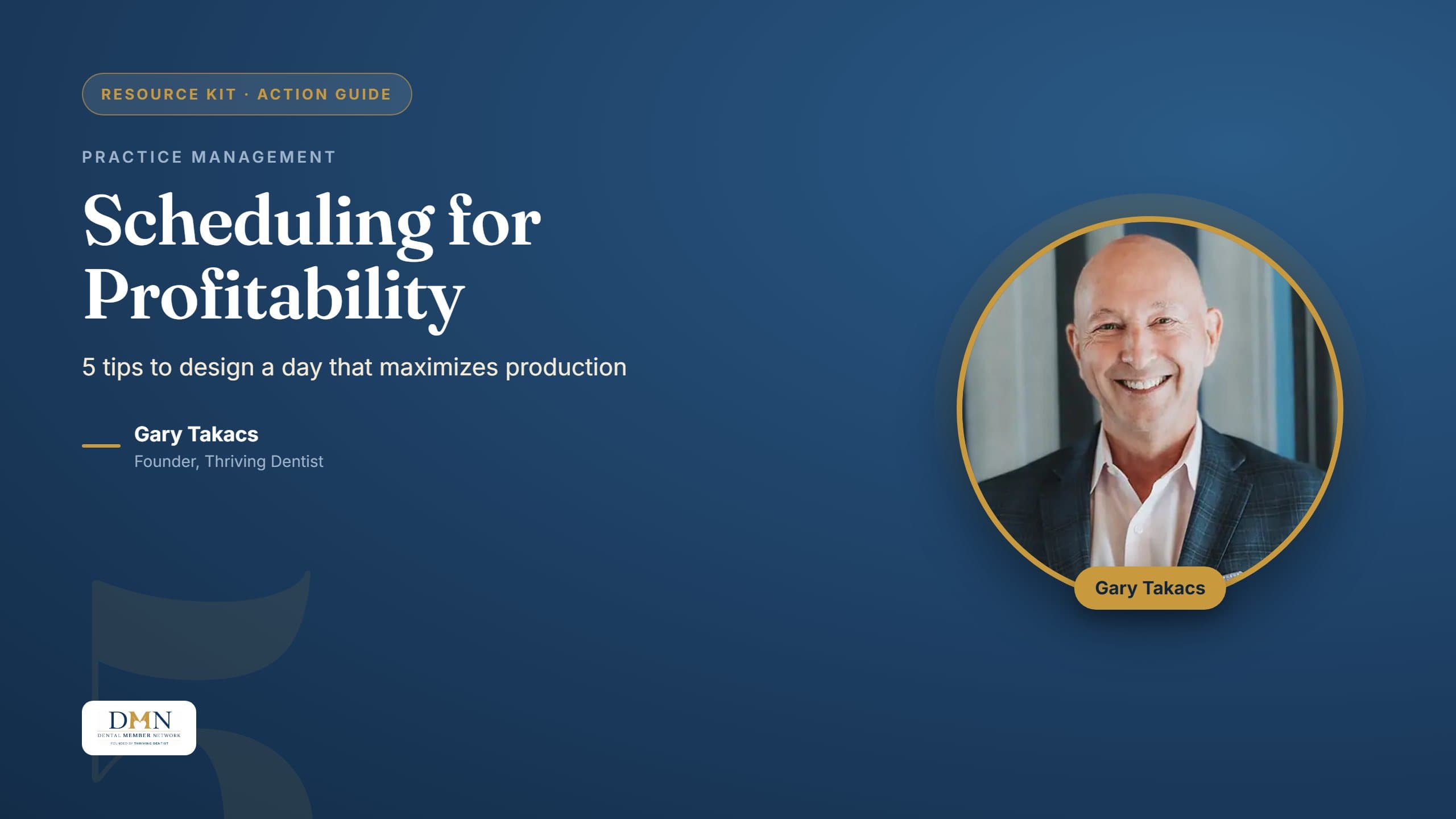
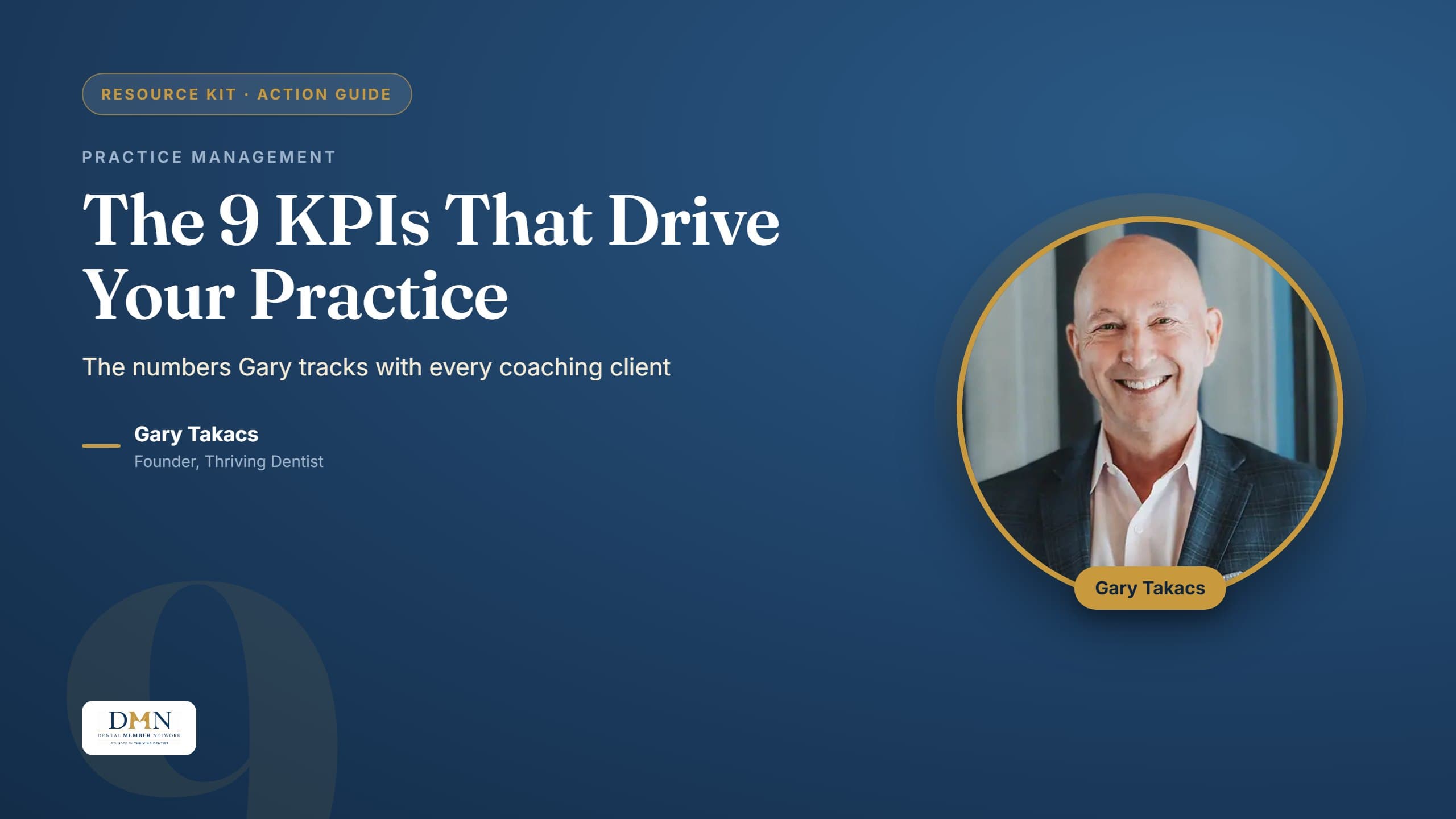
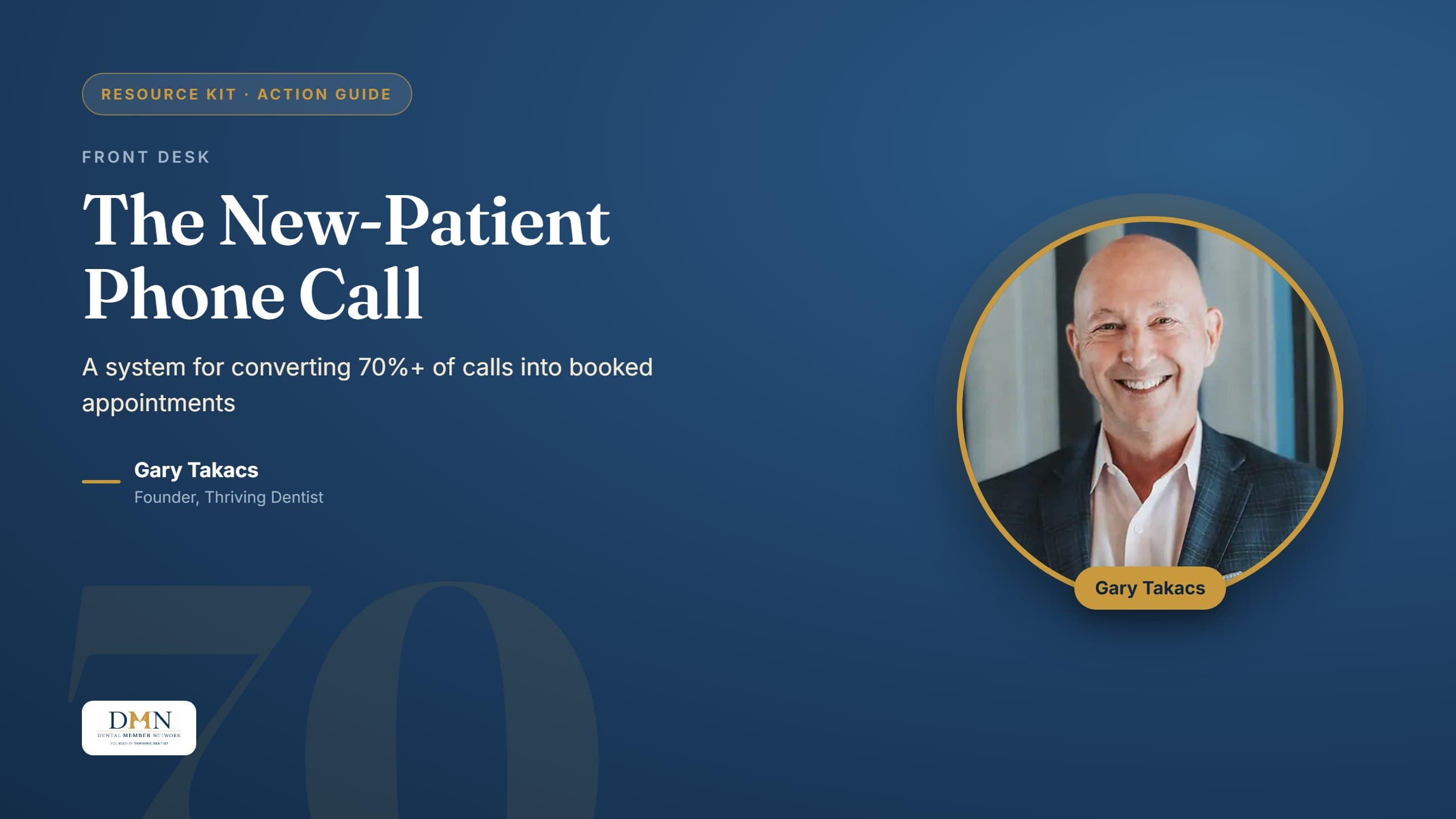
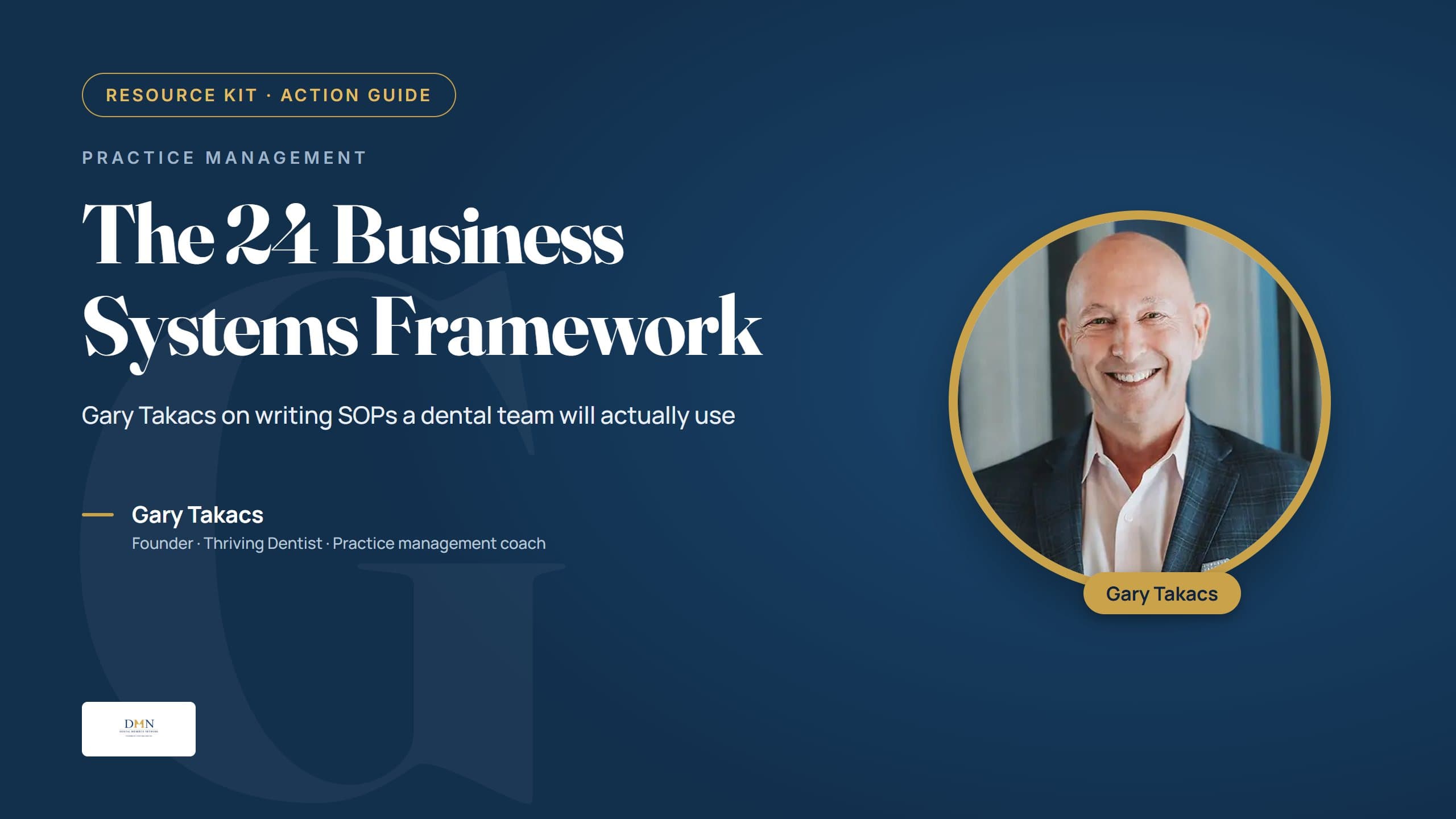
Expert guidance from Gary Takacs, adapted from The 24 Business Systems Framework.
Gary Takacs's framework recommends a one-page SOP with a purpose, a system champion, a process of no more than ten steps, and a key performance indicator. The point is not to build a large manual before anything improves. It is to make one important activity repeatable.
Start where the team keeps asking the same question
Think about a task that regularly gets delayed, handled differently or passed back to the owner.
Who follows up with an unanswered new-patient inquiry? How does an appointment change reach the next person at the front desk? Who checks that a promised patient callback happened?
These are useful starting points because the problem is visible. You can explain what the process needs to accomplish and watch whether the change helps.
Gary's suggested starting areas are the morning huddle, new-patient phone calls, case acceptance, scheduling, review generation and KPI tracking. Choose a manageable process within one area rather than trying to document the whole practice at once.
For a patient-facing example, why new-patient calls fail to become appointments examines the conversation your written process needs to support.
Give the SOP four clear parts
Use these four headings:
- Purpose: What should happen when the process works?
- Champion: Who checks that the process is being followed?
- Steps: What does the team do, in what order?
- Measure: What evidence will tell you whether it is working?
Gary distinguishes the champion from the person doing every task. A champion keeps track of the system and reports progress. Other team members can perform its steps.
That matters when someone is absent or a busy day requires people to help across roles. A process should explain how work continues, not make one person indispensable.
A worked example: closing a patient-callback request
The following is an editorial example applying Gary's structure, not a script from his Playbook.
Purpose: Every callback request has a named owner and a recorded outcome.
Champion: The person assigned to oversee the callback list.
Steps:
- Record the request in the practice's approved system.
- Confirm the appropriate contact details and the reason for the callback.
- Assign the request to the right team member.
- Route clinical questions through the dentist's approved process.
- Record the contact attempt and what happened.
- Keep unanswered or unresolved requests visible.
- Review outstanding requests before the team closes the day.
Measure: The number of callback requests still without an owner or recorded next action at the daily review.
The practice must define its own response expectations and escalation rules. A short SOP is not a substitute for clinical protocols, privacy requirements or professional judgment.
For the content of an after-treatment call, see what to say in a dental follow-up call. The SOP answers a different question: how will the practice make sure the conversation happens and any remaining question is handled?
Test the instructions before adding more
Give the SOP to a team member and ask them to talk through a realistic example. Where do they need to guess? Where do they need information the document never mentions? Is the named owner actually able to check the work?
Use those questions to improve the process. If the document requires a lengthy explanation from its author every time, it is not yet doing enough of the work.
Gary's suggested implementation rhythm is two systems per month: learn a system, then implement it, assign its champion and track the result. Treat that as his starting cadence, not a guarantee that every practice or process fits the same timetable.
Keep the document connected to the work
At the weekly check-in, ask what worked, which step caused difficulty and whether the measure is useful. Update the SOP when an agreed process changes. Do not leave the working version in one person's memory while the written version becomes outdated.
A useful first result is simple: the team can explain the same process, knows who is checking it, and can see what remains unfinished.
The takeaway
One page, one owner, one measure.
Pick the process the team keeps asking about, write its purpose, champion, steps and measure on a single page, test it with the people doing the work, and revisit it at the weekly check-in. Repeatable beats comprehensive.
Practice Management
24 Business Systems Framework

Gary Takacs
Founder, Thriving Dentist
Continue inside the membership
Get the complete 24 Business Systems Framework Practice Playbook.
Available inside Dental Member Network, including the implementation guide.
Gary's invitation includes three months free with code GARY.
Join Dental Member Network