The quick answer
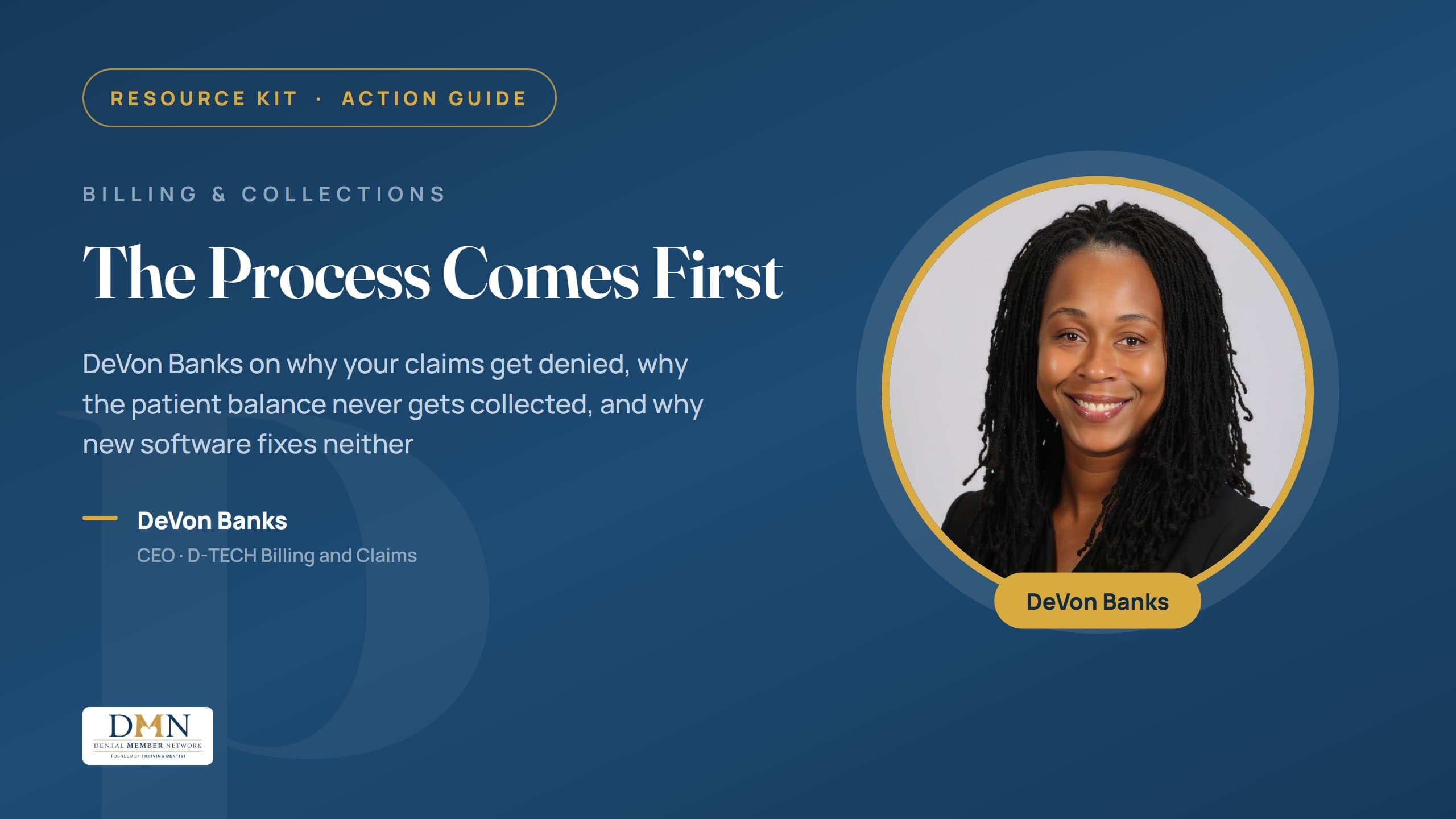
Update your dental fee schedule at least once a year, and base it on data. DeVon Banks, CEO of D-TECH Billing and Claims, says the most common mistake she finds is fees that were set once and then left alone for years, both office fees and insurance fees. In her words: "Your office fees should be set at least yearly based on data." She calls fee maintenance "super low hanging fruit" for a practice that wants more revenue without doing more procedures.
DeVon started out in dental software sales and training, and moved into revenue cycle management because of the need she saw. When she walks into a practice, the first thing she looks for is money being left on the table.
Why do dental fees go years without an update?
Because nobody owns the job. DeVon's description of what she sees: "It's been the same for years, whether that be office fees or insurance fees." She has seen practices where twelve years went by and the fees had not moved at all.
Even when an insurance company offers a small increase, which she says is rare, offices often forget to put the new fee into the system. Her view is simple: "I don't know that practice owners understand the importance of good fee maintenance."
How often should you update your dental fee schedule?
At least once a year. The important part is what the update is based on.
Many offices add the same percentage every year and call it done. DeVon pushes back on that habit. If the starting fees were never set on real data, a yearly bump only carries the old guess forward. So go back to the beginning and ask how the fees were set in the first place.
She suggests a short review you can run before the year ends:
- How are we coming up with our fees today?
- When did we last ask each insurance company for an increase?
- Did any increase we were given actually make it into the system?
- How are we contracted, and is that still the best way?
In her words: "It's worth it to take a step back and identify how are we coming up with our fees, have we gone to the insurance companies for an increase?"
Should a practice be contracted directly with every insurance company?
DeVon expects some owners to disagree with her here. She says a practice should not be directly contracted with 15 to 20 insurance companies, which is how offices did it when she started out 28 years ago. Today there are third party administrators, and she believes most practices are not using those agreements well, or have not heard of them at all.
She compares it to playing chess instead of checkers with your contracts. Her point is that the way you are contracted can matter as much as the fees themselves: "a very real and more efficient to me way of increasing your overall bottom line is to simply restructure the way you're contracted."
For the front desk side of insurance, see our article on what to say when a patient asks "do you take my insurance?".
Should you change a code because the insurance company says so?
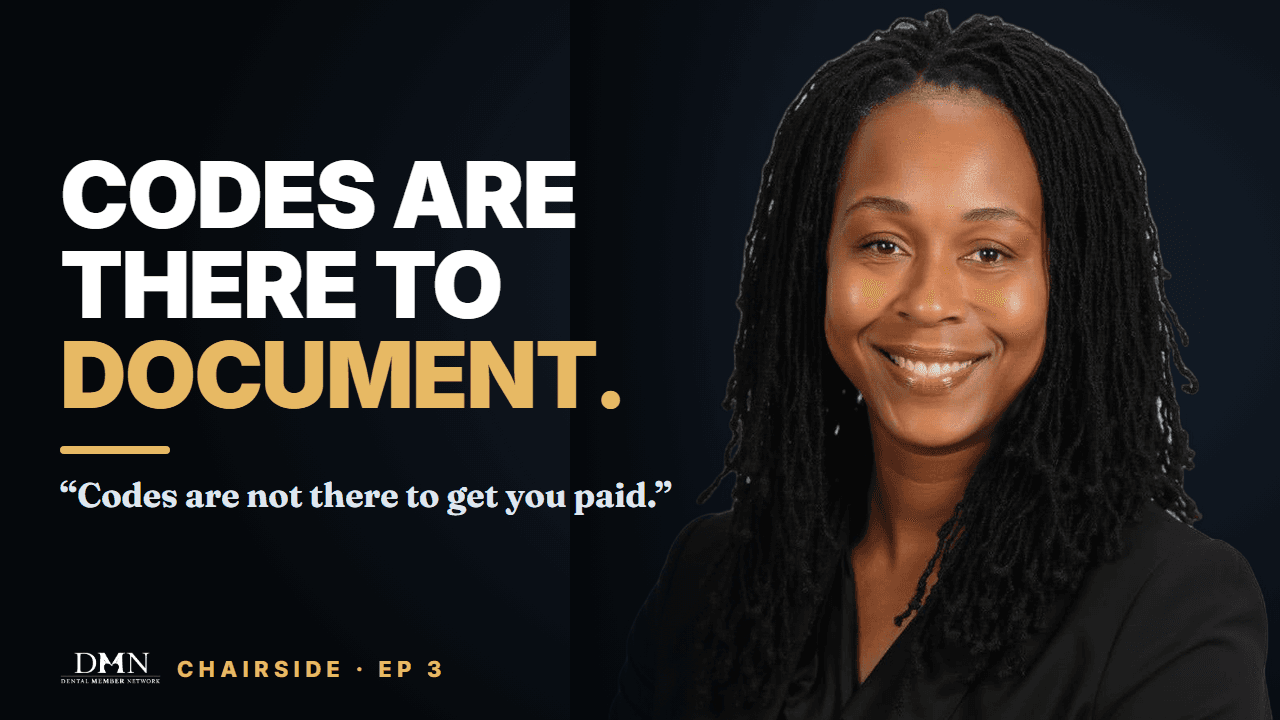
No. This is the line DeVon holds hardest. She has heard the stories: the insurance company told the office to change the code, or said a different code would get paid. Her answer: "Codes are not there to get you paid. Codes are there to document."
She repeats it so nobody misses it: "you never ever code on what the insurance will pay." Code what you did, and keep the patient safe. If claims are coming back unpaid, the fix is in your process and your documentation. Our earlier article with DeVon on preventing dental insurance claim denials covers that side in detail.
What does fee maintenance have to do with data safety?
In the episode, DeVon puts both under one heading: the data a practice holds. When she started, the big challenge was getting practices to use software at all. Now, she says, "everything's built around the data now", from fees and balances to patient records.
She is open that she is not a cybersecurity expert. Two of her points apply to every office:
- Your vendors count too. Billing companies, IT companies and other vendors can all be a way in. "Outsourcing the service does not mean you're outsourcing your responsibility."
- Small mistakes start big problems. She tells the story of a client hit by ransomware. Her team spotted the message on the screen and shut down their remote connection right away. The practice did not know it had automatic backups until she suggested checking with the software company. In the end, she says, "it was literally a click on an email that caused the whole thing."
Members can watch the full story, and DeVon's first steps for the week after a breach, inside the Dental Member Network.
Is your fee process written down?
DeVon has a test for any process in a practice: if the person who does it left tomorrow, could someone else pick it up from what is written? Most practices fail it, she says, for fees and for almost everything else, because steps get passed from person to person by word of mouth.
Her advice: "Get your standard operating procedures written." Bring the whole team in first, because different people will have different understandings of the same job. "Get a consistency of what the processes are, first, and then get it written." Without that, "It's very difficult to hold someone accountable to a system that's not written."
Fee maintenance belongs on that list: who reviews the fees, when, and who checks that new fees reach the system. Our guide to writing dental practice SOPs can help you start.
Frequently asked questions
How often should a dental office update its fee schedule?
DeVon Banks recommends at least once a year, based on data. A flat yearly increase on fees that were never set properly only carries the old numbers forward.
What is the most common fee mistake in dental practices?
Setting fees once and then leaving them. DeVon finds office and insurance fees that have stayed the same for years, and insurance increases that never made it into the system.
Should I change a procedure code if the insurance company suggests it?
No. In DeVon's words, "Codes are not there to get you paid. Codes are there to document." Code what you did.
Where should I start if our fees have not changed in years?
Run a fee assessment this week. Ask how your fees were set, when you last asked each insurance company for an increase, and whether the way you are contracted still makes sense.
About the expert
DeVon Banks
CEO, D-TECH Billing and Claims
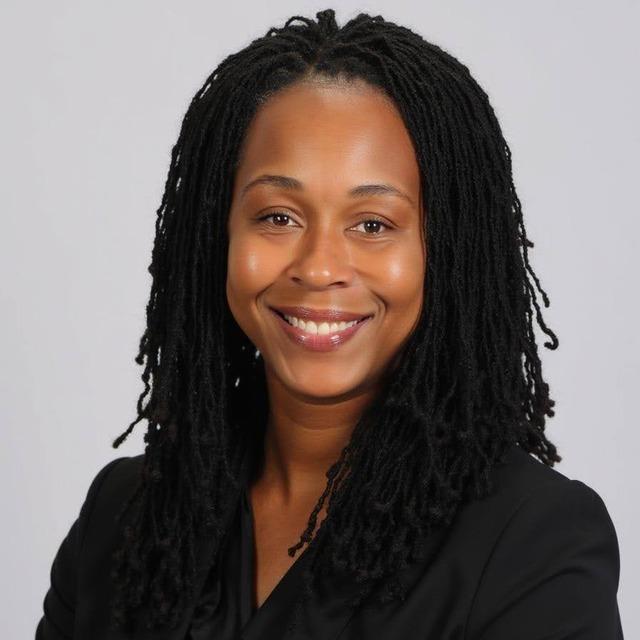
DeVon Banks is CEO of D-TECH Billing and Claims, a premier Maryland-based company that has partnered with hundreds of dental offices nationwide since 1998. An expert in Revenue Cycle Management (RCM), Practice Management, Healthcare Compliance, and Dentrix, DeVon leads a high-performing team dedicated to helping practices maximize revenue and operational efficiency. She is also a sought-after speaker and practice coach, sharing actionable strategies with dental teams to streamline billing, optimize workflows, and improve financial performance.
The takeaway
Put fee maintenance on the calendar.
If DeVon could ask you to do one thing this week, it would be a fee assessment. As she puts it, "do that math, it adds up to your bottom line, into your profit margin." For the bigger picture on where the money goes, see our article on [cash versus profit in a dental practice](/blog/dental-practice-cash-vs-profit).
Billing & Collections
Data, fees and codes: what to fix first
DeVon Banks
CEO, D-TECH Billing and Claims
Continue inside the membership
Data, fees and codes: what to fix first
Members get the full 40-minute episode with DeVon Banks, her one page for the week after a breach, and her Practice Playbook, The Process Comes First.
Watch the full Chairside episode with DeVon Banks and get her Practice Playbook, The Process Comes First, inside the Dental Member Network.
Join Dental Member Network