The quick answer
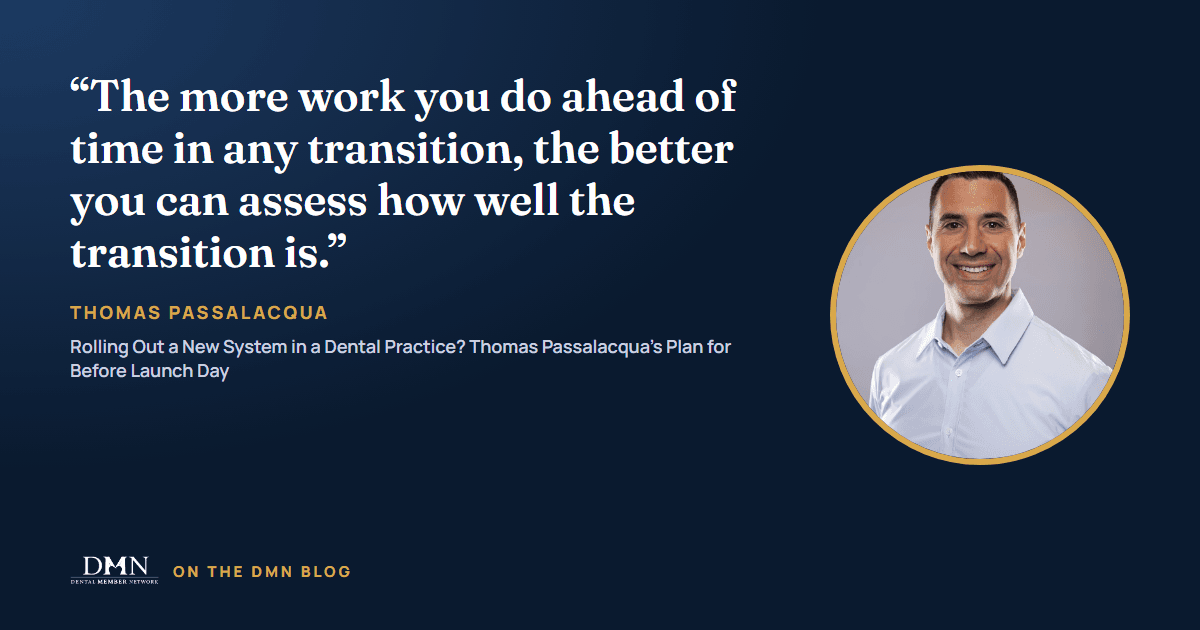
Rolling out a new system in a dental practice goes best when most of the work happens before launch day. Thomas Passalacqua, certified executive coach and founder of Ascend Professional Pathways, starts by asking the team where the bottlenecks and resistance points will be. Then he names who owns each part of the change, sets timelines and benchmarks, and makes sure every person knows why the practice is doing it. In his words: "The more work you do ahead of time in any transition, the better you can assess how well the transition is."
Thomas was asked a question every practice owner knows: how do you roll out a change without exhausting the people who have to carry it out? His answer starts well before the first training session.
Why do new systems wear a dental team out?
Practices take on a lot. Thomas lists the usual reasons: "new ideas, new products and services, and it's for a reason. There's a need for it. There's a want for it."
The trouble starts when a change arrives with no plan behind it. He describes the version that goes wrong: "It's not just, okay, here's a completely new system, let's figure it out as we go."
What should you do before a new system goes live?
Thomas begins with the team, before anything is installed or announced. He works with them to find the projected bottlenecks and what is going to work in their favor, and he asks one more question: "What will be the potential resistance points?"
His rule is to be deliberate early. "It's being really, really intentional before you implement any new product system or routine or service, and try to stay ahead of any of those resistant points."
He also brings in the outside people who sell or support the change. You do that "with your service providers, the consultants, the advisors that you're working with before it's rolled out into the practice."
A short planning meeting with the people who will use the new system most covers it. Thomas puts the questions this way: "What are the potential for resistance? What are the challenges we can expect?"
Who should own each part of the change?
Once there is a plan, Thomas moves to each person's role in the change.
He wants three things to be clear. Who does what, who carries the whole project, and how far each job reaches. "Who, as the individual, is responsible for what? And what is the overlying accountability for the entire system? Is there a project manager? Is there someone who is taking ownership of the entire, you know, transition?"
Then he goes back to each person: "What's their role? And is there a specific scope of their role?"
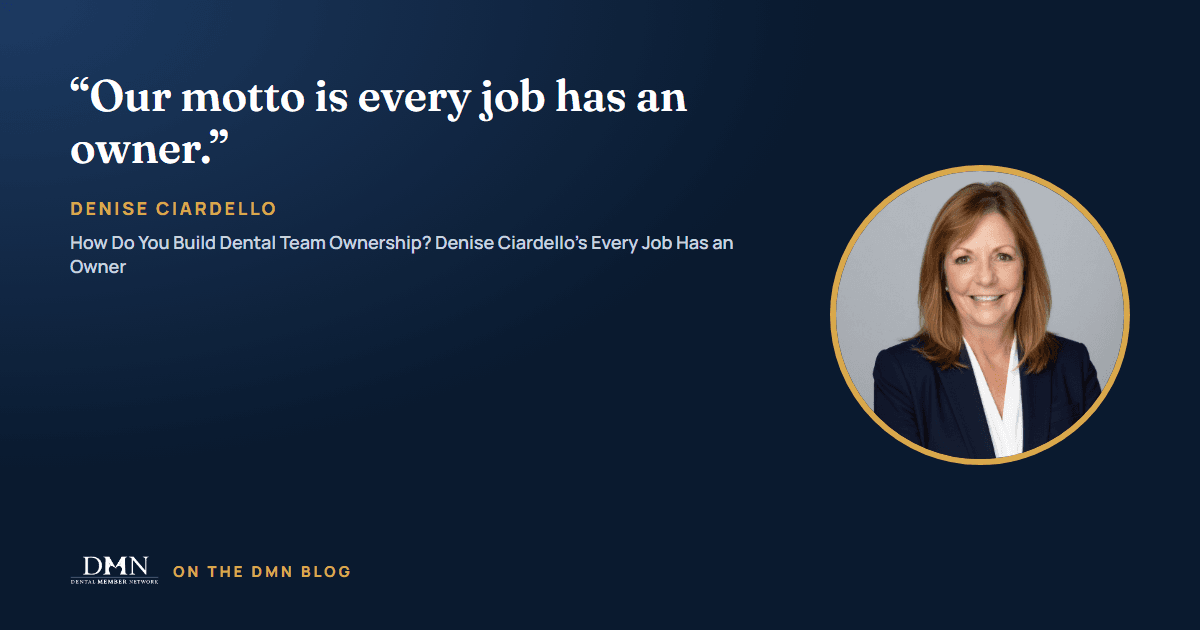
This matches what Denise Ciardello sees in practices where every task is shared and nobody owns it. Our article on dental team ownership shows how one named owner per job keeps work from slipping.
How do you know if the rollout is working?
Thomas writes down what success looks like before the start. He talks about "identifying timelines, identifying scope of work, identifying what are the benchmarks of success."
The order matters. With the roles, timelines and benchmarks written down first, you can measure the change once it starts. "The more work you do ahead of time in any transition, the better you can assess how well the transition is."
If the new system changes how a job is done, put the new steps on paper as well. Our guide to dental practice SOPs covers how to write a process your team can follow.
Why does the team need to know the purpose first?
For Thomas, the plan sits on top of something bigger. When he talks about moving a team from going through the motions to high performance, he talks about goal alignment and "making sure the entire team and ancillary, you know, staff are on the same page."
That starts with the goals themselves. "So it starts with identifying. What are the actual goals for the team, for the practice, for the business?"
And people need to know why those goals exist. He wants to make sure "each member also understands the purpose of the goal". A new system is easier to accept when the team can see how it serves the reason the practice is open.
He has a quick test for whether that purpose is clear: Ask any leader, any team member or any patient, "What is the purpose or mission of the practice?" If the answers are not consistent, he says, there is room for opportunity right there.
How do you get each person to buy in?
Thomas does not hand the team one reason and expect everyone to feel the same about it. He makes it personal. The way in is "allowing each individual member to contribute in a unique way."
He explains why that works: "we all have different motivating factors." When people see what the change means for their own work, he says, "that allows people to operate in a meaningful, purposeful way."
And once each person is on board, the group follows. "Once the individuals are each aligned, everyone starts working collectively in the same direction."
He uses the same idea for rewards. When an audience member asked whether team members value money or continuing education more, he said it was "a perfect question to ask the team." His advice was short: "I would go right to the team. I think it's as simple as that."
If you need a regular place to have these talks, a daily huddle works well. See our morning huddle agenda for a format.
Frequently asked questions
How do I introduce a new system to my dental team without overwhelming them?
Plan it with the team before launch day. Thomas Passalacqua asks where the bottlenecks and resistance points will be, then names who owns each part, sets timelines and benchmarks, and explains why the practice is making the change.
Who should be in charge of a change in a dental office?
Thomas looks for one person who carries the whole project, like a project manager, plus a clear role and scope for everyone else who helps.
Should the team be involved before a new system is chosen?
Yes. Thomas works with the team to find what will go well and where the pushback will come from, and he brings in the vendors and advisors before the change reaches the practice.
How do I get team buy-in for a change?
Connect the change to the practice's purpose, then to each person. Thomas lets each team member contribute in their own way, because people have different reasons for caring about their work.
About the expert
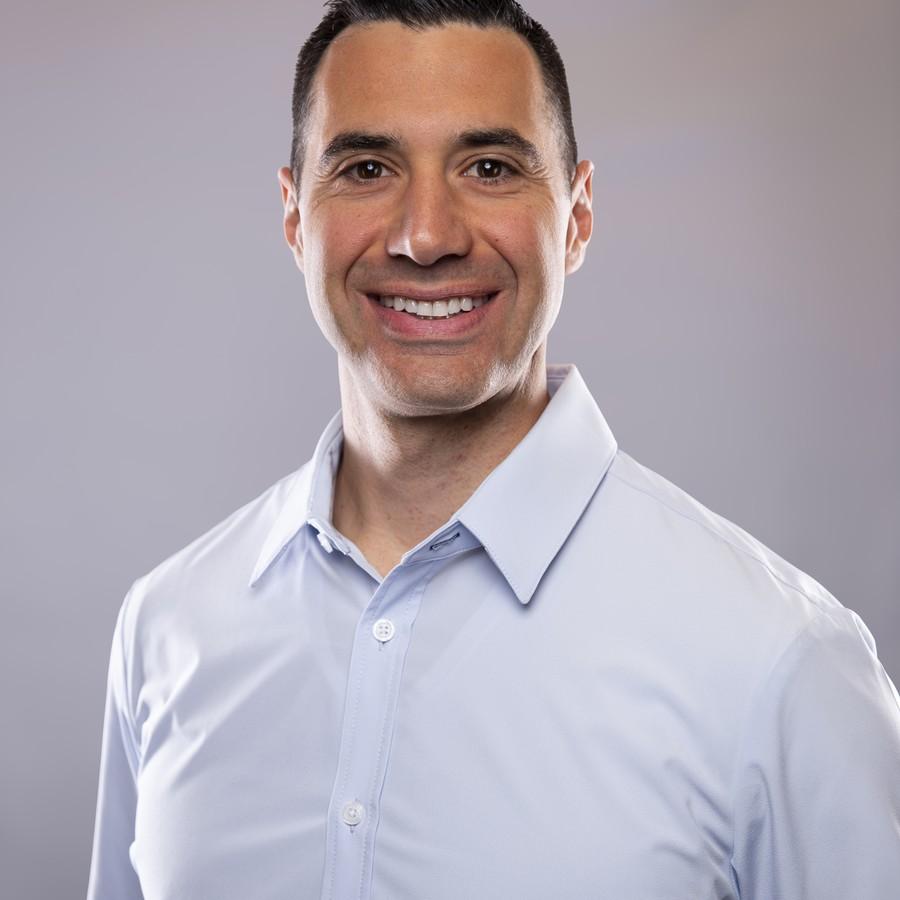
Thomas Passalacqua
Certified Executive Coach, Ascend Professional Pathways
Thomas Passalacqua is the founder of Ascend Professional Pathways and a certified executive coach, with 10 years as a dental industry expert and 10 years in sales. His mission is to "enable ambitious and passionate professionals to uncover solutions to maximize their potential."
The takeaway
Do the work before launch day.
Before your next new system, sit down with the people who will use it. Find the resistance points, name an owner for the whole change and a role for each person, and write down what success looks like. As Thomas puts it, being "really, really intentional" early is what keeps the team from running out of steam later.
Team & Culture
Everyone on the Same Page
Thomas Passalacqua
Certified Executive Coach, Ascend Professional Pathways
Continue inside the membership
Everyone on the Same Page
Thomas Passalacqua's complete Practice Playbook inside the Dental Member Network, built from his own answers on goal alignment, buy-in and rolling out change.
Get Thomas Passalacqua's Everyone on the Same Page Practice Playbook inside the Dental Member Network: his short video lessons, action guide, checklist and worksheet for getting your whole team on the same page.
Join Dental Member Network