The quick answer
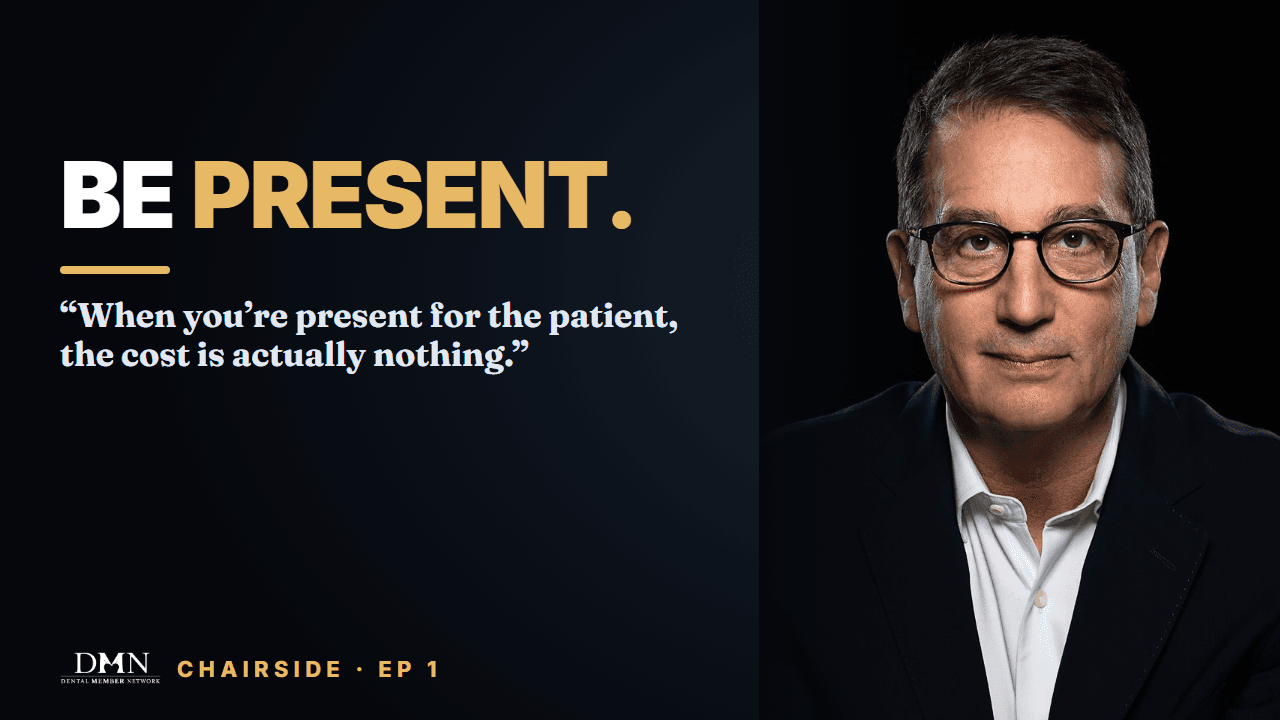
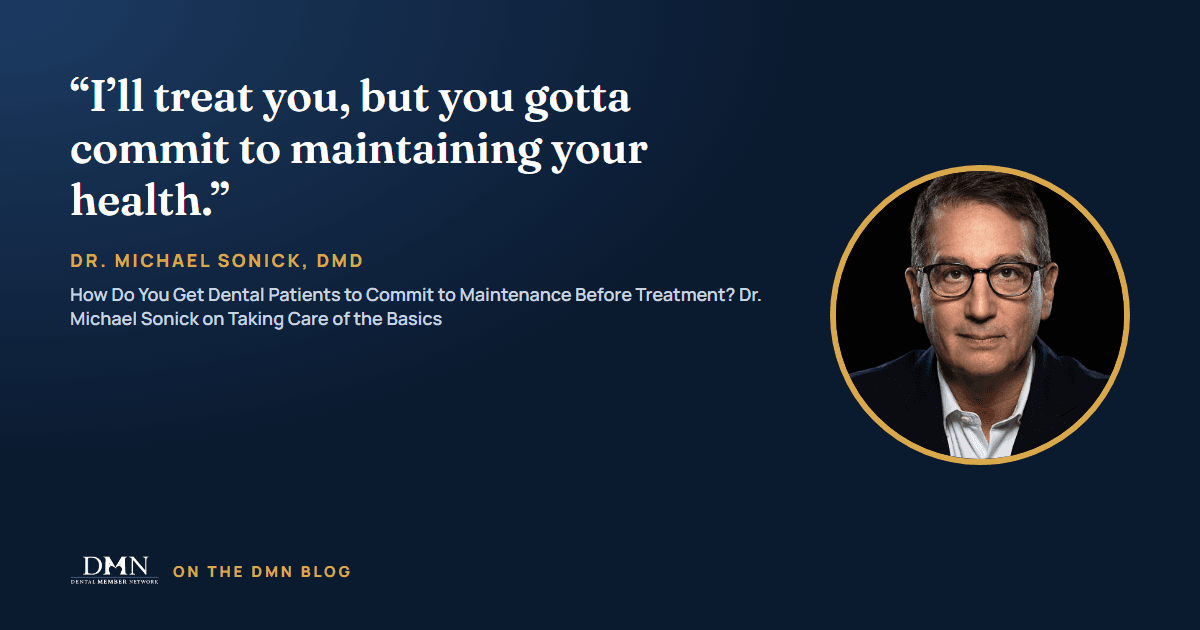
To get dental patients to commit to maintenance, ask for the commitment before treatment starts, at the first visit, while the patient is still deciding. Dr. Michael Sonick, a periodontist in Fairfield, Connecticut, tells new patients who need a lot of work: "I'll treat you, but you gotta commit to maintaining your health." The maintenance visits become part of the plan from day one, and a strong hygiene team is there to keep them. He explains the reason with one picture everybody understands: "It's like driving an expensive car and not changing the oil."
Dr. Sonick has practised in the same town for more than 40 years. On our panel the host asked him how the everyday work keeps a practice going while the big cases come and go. His first words were short: "You gotta take care of the basics." Then he added, "I talk about this a lot."
When should you ask a patient to commit to maintenance?
Before you treat them. In Dr. Sonick's practice the conversation happens at the very first visit. When a new patient needs a lot of work, that is the moment he sets the condition: he will treat them, and they commit to maintaining their health.
He makes regular cleanings, every few months, part of the agreement before any treatment is booked. "When a patient comes into our practice," he said, "I make them commit" to that schedule before he treats them.
Asking at the start means the promise is part of the treatment plan the patient says yes to. Nobody has to bring it up later as an extra.
If you want to see how he runs that first visit from the moment the phone rings, his earlier article on the new dental patient experience walks through it.
Why does maintenance decide whether the treatment worked?
Dr. Sonick's point is that good treatment can still fail if nobody looks after it afterwards. His comparison is the one to borrow for your own patients: "It's like driving an expensive car and not changing the oil."
He sees this most clearly in his biggest cases. He does a lot of full-mouth rehabilitation, and he asked the obvious question on the panel: why did the patient lose their teeth in the first place? His answer was hygiene. So a patient who gets a new mouth has to come back to keep it.
He has been asked to write an article on commitment "because no one ever talks about that." Most talk in dentistry is about the procedure. Very little is about what the patient promises to do once the procedure is over.
What does a strong maintenance practice look like?
"So we have a very strong maintenance practice," Dr. Sonick said. He has hygienists working every day, and he wants his patients maintained there, so the work he does keeps lasting.
The promise also runs both ways. Dr. Sonick asks his patients to commit, and he commits to them too. "I always commit to them that I'm there for them for the rest of their lives so that we can get them healthy and keep them healthy."
A maintenance promise only works if the schedule can hold it. If your hygiene days have gaps, our guide to filling open hygiene appointments can help. And the care after a procedure counts too: a simple post-treatment follow-up call reminds the patient you are still looking after them.
Why do the basics matter more than the big cases?
Dr. Sonick knows the pull of the big cases. He said that people like to do the big stuff because they think it is a lot of fun. His warning: "unless you do the little things and you take care of the basics, you won't do the big stuff."
For him that includes the small, unglamorous visits, such as a child with an abscess who needs an hour of his time. "That's still very important. And that's really how you build your practice by doing the little things."
He tied it to the economy with a story about tradespeople. When times are good, you can hardly get a plumber or an electrician. When times are bad, most of them go quiet, but the really good ones still answer the phone and still turn up. Practices work the same way. "I've never felt the recession in our practice because we've always given really, really good care to the people that are there."
He has a simple belief behind all of this. "And I always think you need to take care of the people."
Does the same rule apply to your team?
Dr. Sonick holds his hiring to the same standard he holds his patients to. When owners tell him nobody wants to work, he answers: "People say I can't find people. Well, I can find them." In his own practice he goes through three to four hundred people before he hires anybody, and he says, "So it's very hard to get a job in our practice."
He learned why the hard way. He once went along with a hire he felt was wrong within seconds of meeting her. The practice tried to make her fit. It did not last, and she left. His lesson: "You can't change people."
His advice is to know exactly what you are hiring for. "You have to know what you're doing. You have to be very clear." For owners who need to hire when they are short-staffed, see our article on hiring dental staff under pressure.
Frequently asked questions
When does Dr. Sonick ask patients to commit to maintenance?
At the first visit, before he treats them. When a new patient needs a lot of work, he tells them he will treat them, but they have to commit to maintaining their health.
Why does he compare maintenance to an oil change?
Because treatment that is not looked after can still break down. In his words, skipping it is "like driving an expensive car and not changing the oil."
Does the practice promise anything back?
Yes. Dr. Sonick tells patients he is there for them for the rest of their lives, so the practice can get them healthy and keep them healthy.
What does "take care of the basics" mean in his practice?
It means a strong maintenance practice, time for the small visits, and good care for the people already in your chairs. He says that is what makes the big cases possible.

About the expert
Dr. Michael Sonick, DMD
Periodontist, Fairfield, Connecticut
Dr. Michael Sonick is a periodontist who has run his own practice in Fairfield, Connecticut since 1985. He has taught at NYU since 1984 and has written seven books, including one on hospitality, Treating People, Not Patients. He was the first guest on Chairside, the podcast from the Dental Member Network.
The takeaway
Ask for the commitment before you treat.
At your next first visit for a big case, make the maintenance schedule part of the yes, and tell the patient what you commit to in return. As Dr. Sonick said, "I think it's incumbent upon us as a profession to take care of the people that we are privileged to serve."
Practice Management
Take Care Of The Basics
Dr. Michael Sonick, DMD
Periodontist, Fairfield, Connecticut
Continue inside the membership
Take Care Of The Basics
Dr. Michael Sonick's complete Practice Playbook inside the Dental Member Network, built from his own answers on hiring slowly, why you can't change people, and the maintenance commitment he asks for before he treats.
Get Dr. Michael Sonick's Take Care Of The Basics Practice Playbook inside the Dental Member Network: his action guide, checklist, worksheet and short videos on hiring slowly, why you can't change people, and asking patients to commit to maintaining their health before you treat them.
Join Dental Member Network